


What is Herbal Medicine
Updated: May 24
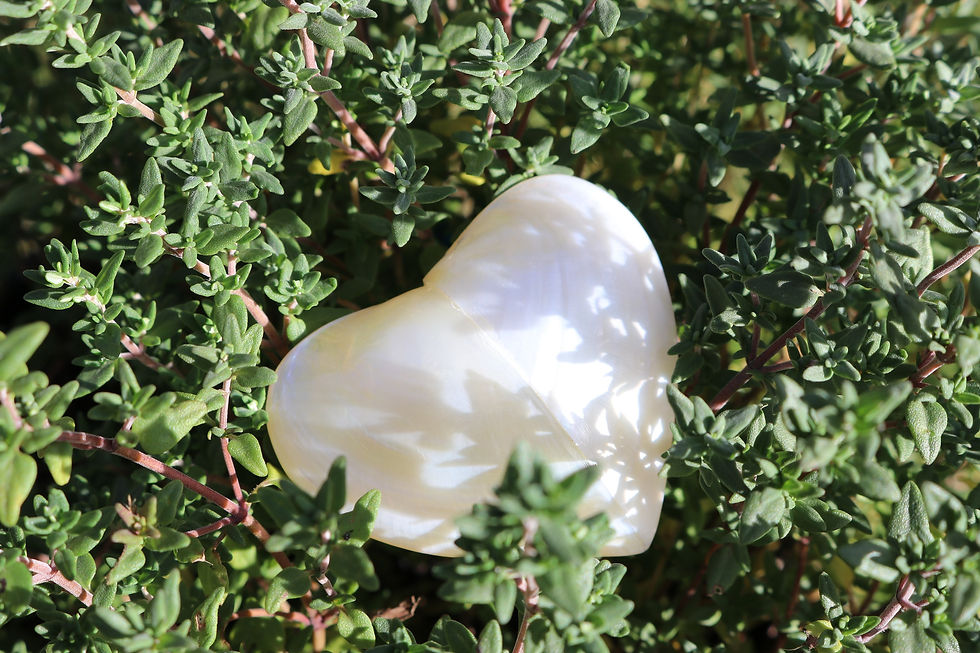
The herbal medicine philosophy is based on the human bodies innate healing capabilities and supporting the body in achieving homeostasis. Identifying and treating the underlying cause of disease, treating the whole person - Physical, mental, spiritual, emotional, social, familial and occupational factors all need to be considered. In herbal medicine we use treatments that do not cause further harm to the patient. We promoting disease prevention and empower the patient to be motivated to look after their health.
Herbs and plants have been used for medicine for thousands of years. Western herbal medicine dates back to the Greco-Roman era around the 4th century BC. Pioneers of herbal medicine include Hippocrates, Galen, Paracelsus, Avicenna and Culpepper who all studied and wrote about the effects of medicinal properties of plants on the ‘humours’ of the body, how they affected blood, bile, phlegm and choler. Galen wrote the ‘Doctrine of Signatures’ which determined that different plants resembled the parts of the body they were designed to treat. In the 18th century knowledge of plants and chemistry were combined by Samuel Thomson and Wooster Beach, influencing the way Western herbal medicine is used today. The current system of Western herbal medicine uses scientific knowledge and holistic aspects to bring vitality and health.
Many different plants are used including flowers, trees, ferns, shrubs, seaweed, fungus or algae are used to make tinctures, teas, extracts, infusions, decoctions, powders, creams, tablets, gels, poultices or aromatics. The flowers, bark, fruit, leaves, roots, resins, seeds or the whole of a plant is used to make a remedy. The plants have active constituents that have different beneficial actions on the body.
Herbal medicines can be both beneficial and detrimental effects when used with pharmaceutical medicines. Some herbs can interact with medications causing lessened or adverse effects and some herbs can heighten the effects of medicines or cause less medications to be needed. Herbal constituents such as essential oils are used beneficially with manual therapies such as massage. Herbs are used in diluted forms in homeopathy and in the diet as nutritional medicine.
Herbal therapies can be used for medicine, food and promotion of health and vitality. Western herbal medicine can be used to support healing of common ailments and bodily systems or as preventative care for those with predisposition to disease or people who want to promote general health.
If you want to know how Herbal Medicine can help you achieve better health contact us at Seed to Soul Collective today!


Comments